
Prospecting to win new B2B clients is the lifeblood of any business-to-business sales operation. If you want a steady flow of deals, you need to know how to find the decision makers in companies and get them to listen actively from start to finish.
Put simply, B2B prospecting is the process of identifying and engaging potential business customers (prospects) with the aim of turning them into sales opportunities.
It is the first step in the sales cycle, the one that lays the groundwork for all future revenue.
In a competitive market, getting prospecting right is the difference between a sales pipeline full of opportunities and an empty one.
This guide takes you through everything you need to know, from analysing your target to running outreach strategies built on relationships (and not only on a sales pitch).
Let's start filling that pipeline.
What is B2B prospecting?
B2B prospecting means proactively looking for companies that could benefit from your product or service. Unlike B2C, in B2B this means reaching the decision makers at other companies.
Prospects can therefore be companies or individual stakeholders (such as a procurement manager or a CTO) who match your Ideal Customer Profile (ICP). Bear in mind that if you want prospecting to have a real impact, you will need a structured approach to finding quality leads.
B2B vs B2C prospecting: the differences
B2B prospecting differs from B2C prospecting in several ways. Here are some of them.
In B2B, sales cycles tend to be longer and involve several stakeholders (for example a manager, a VP and a finance lead may all have a say in the purchase).
This means that when you assess B2B customers, you often need to approach different people in the organisation (which also means using a different tone with each of them, as well as keeping in touch with several people).
In B2C, by contrast, buying decisions tend to be quicker and usually involve a single consumer.
Taking the differences between B2B and B2C into account is essential for writing the right message when you contact prospects in B2B.
Why prospecting matters
Prospecting gives us a steady supply of potential customers. Done well, it brings several benefits:
- More sales opportunities: every prospect is a potential customer. The more qualified prospects you engage, the more opportunities you will have.
- Revenue growth: without new prospects you cannot generate new sales. This activity is directly linked to your company's growth.
- Market insight: talking to prospects shows you the pain points in your sector and helps you understand market needs. You can use this information to improve your strategy and product development.
Prospecting may look simple (find business contacts and pitch your offer), but doing it well takes strategy and persistence.
In this article we show you where to start to build a prospecting strategy that works.
B2B prospecting: where to start
A prospecting strategy starts long before you send an email or make a call. The preparation phase is essential: only when you know your target and your offer can you make sure your prospects become leads.
Here is how to prepare the ground.
Define your ICP and buyer personas
Everything starts with being clear about who your prospects are.
You can begin by creating your Ideal Customer Profile (ICP): in B2B, this is a description of the companies that represent your ideal customer. It works best when you go into detail, defining sector, company size, country of operation and any other characteristics relevant to your specific field.
For example, your ideal prospects might be "food and drink SMEs in the North of England with 20-100 employees" or "manufacturers investing at least £500,000 a year in digitising their production processes".
With an ICP in place you can focus on the prospects that are genuinely aligned with your product and stop wasting time on companies outside your target.
The next step is to outline your buyer personas, the key people you will deal with directly. As we said, in B2B sales you need to communicate with and convince several people. These include:
- decision makers (e.g. CEO, heads of department);
- influencers (managers or tech leads who advise the decision makers);
- the end users who will actually use the product or service.
To create your buyer personas, define for each of these people:
- role
- responsibilities
- likely pain points.

A practical example: if you sell marketing automation software, one buyer persona could be a marketing director worried about campaign ROI, while another could be an IT manager focused on integration and security.
Only when you know your buyer personas can you tailor your offer properly.
You can go one step further here: if you already have customers, use them to sharpen your ICP. Ask yourself: what do your best customers have in common? Then use that as the basis for qualifying new prospects.
Build a prospect list
Once your ICP and buyer personas are defined, the next step is to identify real companies and people to contact. This research phase is critical: good prospects come from a good list.
Start by building a list of target companies that match your ICP. You can find them through:
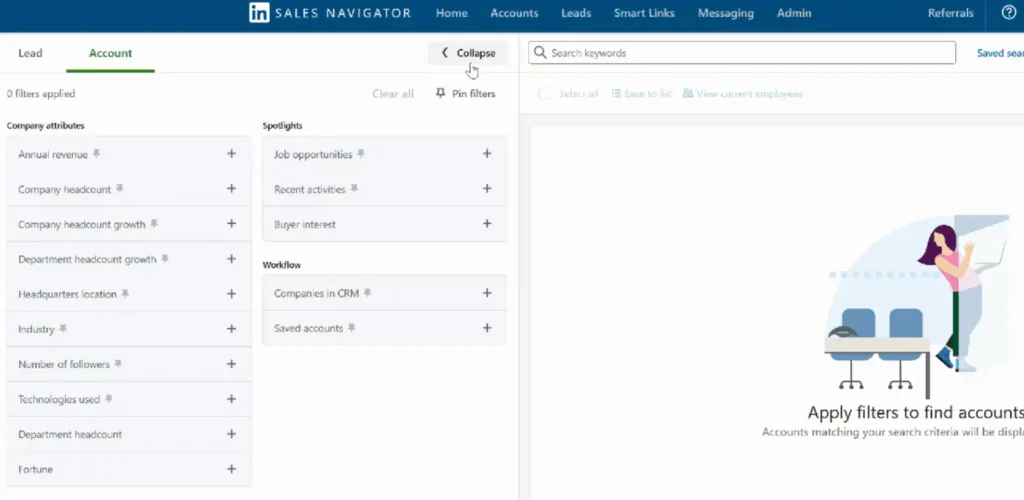
- Professional networks and databases: LinkedIn is a goldmine here. Use the search filters (or LinkedIn Sales Navigator for advanced filters) to find companies in your sector and in the area you have defined. Databases such as Crunchbase, ZoomInfo or Apollo.io also let you filter by size, sector, turnover and so on.
- Industry lists and directories: look at trade publications or rankings (e.g. "Top 100 X companies in 2025") relevant to your field. Exhibitors and sponsors at trade shows are also strong prospects because they are already active in the niche.
- CRM and website: don't forget inbound leads or past prospects collected through marketing campaigns. If someone has downloaded a white paper or filled in a form on your site, they are already a warm prospect to include.
Building the list is the first step. Now, for each target company, identify the specific buyer personas you need to contact.
How?
On LinkedIn you can search within a company by role (e.g. find every "Operations Manager" at company X). Collect the key data: full name, job title, email, phone (if available) and any other useful information you find.
As you build your list, remember that quality beats quantity: 50 prospects close to your ideal profile are worth more than 500 random companies.
Now it's time to organise the information: you can use a spreadsheet or go straight to a CRM. The second option is better, since a CRM lets you track every later interaction.
Prepare your value proposition and message
Before contacting prospects, ask yourself: why should they listen to me? The answer has to start from the value you offer or the problem your service or product solves. In short, this is your value proposition, the reason what you have to say could interest the prospect.
To write the right message for each person on the list, it helps to keep a short note linking your solution to their needs.
Remember that you are talking to different people: "Increase output by 20%" may work for a production manager, while "Halve your cloud hosting costs" is better suited to a CTO.
Where possible, make the message personal. You can start from the prospect's LinkedIn profile or from company news. Have they published a recent article? Won an award? Mention something specific to show that your message is not spam.
In prospecting, more personalised communication can be the difference between being ignored and getting a reply.
At this point you can draft an outline for the first contact. Whether by email or phone, it helps to follow a structure:
- Introduction: who you are and why you are getting in touch (keep it short, especially in the subject line and first sentences).
- Value pitch: one or two sentences on a pain point and how you can help (this is the reason they should listen to you).
- Call to Action (CTA): the next step must be clear. For example, invite them to book a meeting or a call, or ask whether they would like to know more.
Example email:
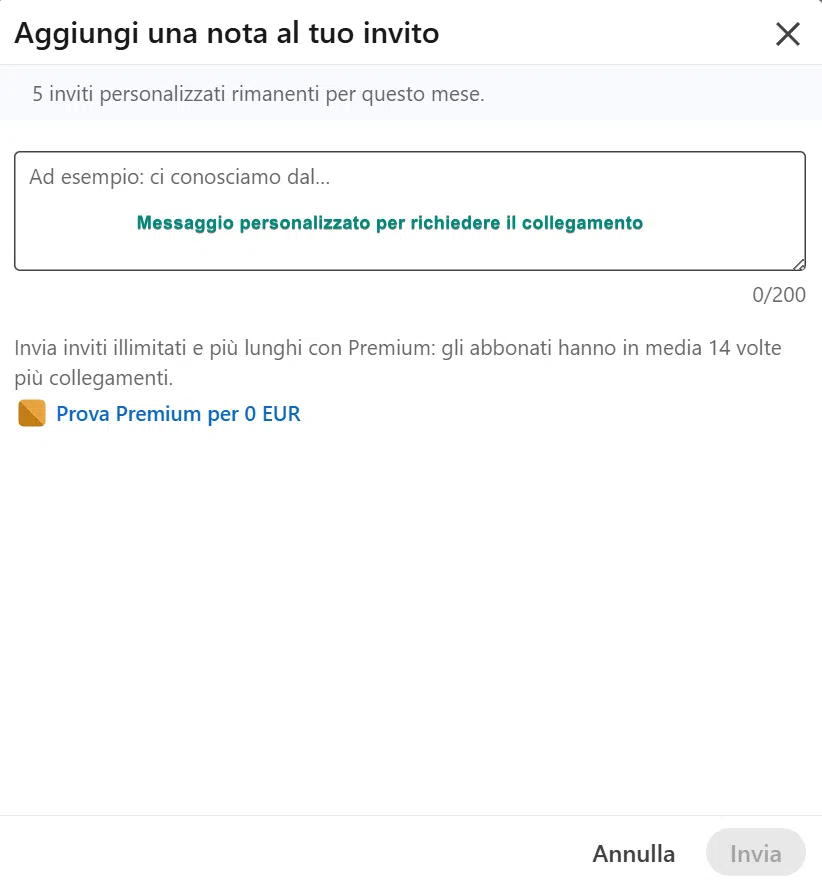
"Hi [Name], I noticed that [Company Name] is expanding its sales team significantly, a phase that often brings real challenges in onboarding and in the early productivity of new salespeople. Our platform helps teams prospect faster by providing curated lead lists, with an average productivity increase of 37% in the first 3 months. Would you be open to a short call to see whether it could help your team?"

The key points of this email:
- it is short and personalised (it refers to a current situation);
- the value of the offer is clear;
- the closing CTA leaves no doubt about what to do next.
Prospecting checklist
To sum up, here is how to lay the foundations for a B2B prospecting strategy.
- Know your target: define the ICP and identify the buyer personas.
- Build a list: quality contacts, researched first and then organised (name, job title, contact details, etc.).
- Define the value proposition: be clear about which problems you solve for those specific prospects.
- Personalise your communication: write messages with personal details and a clear CTA.
- Test and improve: you cannot get strong results without monitoring KPIs and refining your strategies as you go.
You are now ready to start prospecting, but first let's look at the inbound and outbound approaches you can use and how to reach your prospects.

B2B prospecting: inbound vs outbound
There are two basic approaches to B2B prospecting: inbound and outbound.
- Inbound prospecting aims to draw prospects towards you, using marketing tactics to generate leads organically (for example content marketing, SEO, social media, webinars and lead magnets). A potential B2B buyer finds your content and, by showing interest (e.g. downloading a guide), becomes a prospect. These leads are often considered "warmer".
- Outbound prospecting, by contrast, is a proactive approach: you contact the prospect directly. It includes cold calls and emails, LinkedIn messages, networking and even in-person visits. You don't wait to be found: you identify them and make the first move.
The best B2B strategies often combine the two.
| Inbound Prospecting (Lead Generation) | Outbound Prospecting (Direct Outreach) | |
|---|---|---|
| Approach | You attract prospects through content and marketing. Prospects contact you or show interest. | You actively reach prospects through calls, emails, social messages and so on, without waiting for them to come to you. |
| When to use it | Good for "casting the net" and nurturing leads over time. Useful if you have strong marketing content and time to let prospects "warm up". | Effective for targeted outreach to specific accounts or high-value prospects you cannot afford to wait for. Useful for building pipeline quickly and for personalised campaigns. |
| Pros | Builds trust and thought leadership. Inbound prospects often pre-qualify themselves, so they may be more receptive when sales gets in touch. Scales well online. | You have full control over target and timing. You can create opportunities when you want and pursue your "ideal customers" proactively. Immediate feedback (you know straight away whether there is interest). |
| Cons | Can be slower: it needs constant marketing effort and you may wait weeks or months for good leads. Volume can fluctuate. Not every inbound lead is a good fit (qualification is needed). | Can meet a lot of rejection or silence, because the prospect did not ask to be contacted. Needs research and personalisation (time-consuming). Done badly (and seen as spam), it can damage the brand's reputation. |
As the comparison shows, inbound and outbound complement each other. Inbound is more passive but lets us build interest over time. Outbound gets quicker responses and lets us go after high-value prospects.
From here on we will mostly cover outbound techniques, but remember that a strong content marketing strategy and well-optimised landing pages are just as necessary for the strategy to work.
Finding B2B prospects: tested methods and strategies
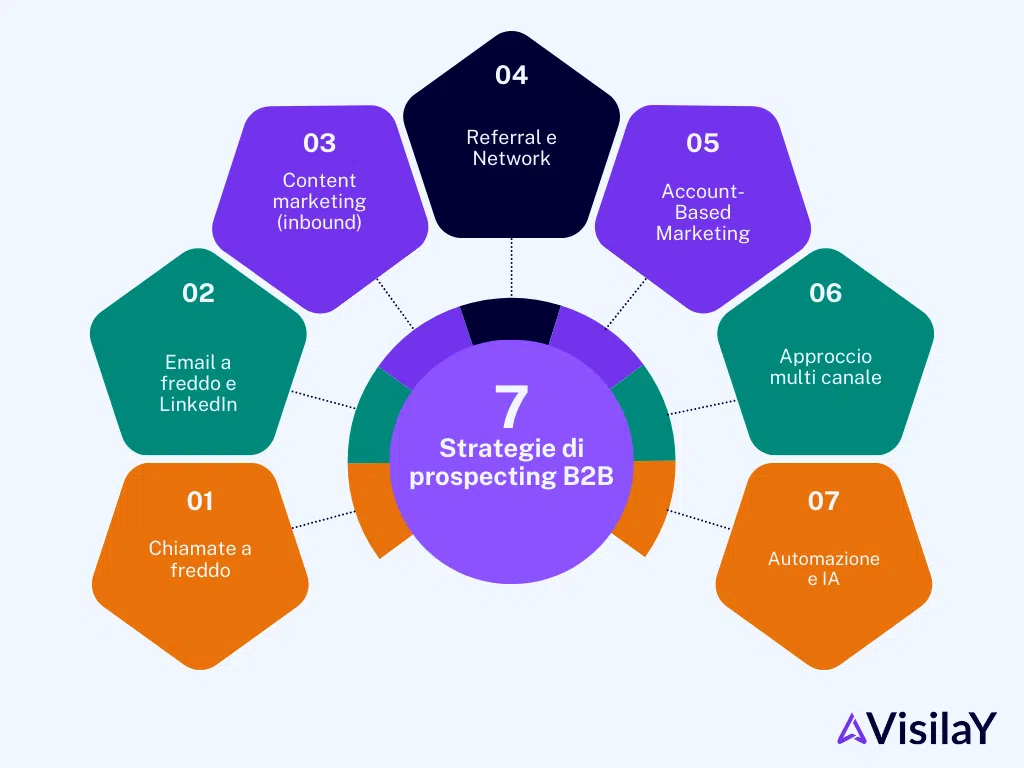
Now for the core B2B prospecting strategies. There are many methods you can use, and the aim is to find the right mix to get better results and a higher response rate.
Below are the methods we find most useful and use with our clients at Visilay, each with the best practices to follow.
1. Prospecting with cold calls
Cold calls are among the most widely used prospecting methods. The idea is simply to phone a decision maker who has never interacted with your company.
Digital channels may dominate today, but cold calling is still a pillar of B2B sales. Done well, it can be a more personal and faster way to make contact than email. In the UK, remember to screen numbers against the TPS and CTPS registers before calling (see the FAQ below).
Cold calling best practices
- Research the target: before diving in, do your homework on the company and the person. Avoid a generic approach: you need to know the sector and try to anticipate the pain points and challenges of the person on the other end of the line. ("Hi, I understand you run IT at a healthcare company: I imagine data security is a priority..." works better than a generic opener.)
- Think about timing: call when the prospect is likely to be free. Mid-morning (10-11am) or mid-afternoon (2-4pm) from Tuesday to Thursday generally works better than Monday morning or Friday afternoon.
- A strong, clear opening: in the first 15 seconds say who you are, where you are calling from and, above all, the value you offer (the reason they will keep listening).
- Engage with questions: turn the call into a conversation and avoid monologues.
- Handle objections (prepare them in advance): get used to hearing "no". You can ask to reschedule for a later date or ask a question that reopens the conversation.
- Set up the next step: if there is interest, agree the next action straight away, such as a meeting or a product demo.
- Be concise and friendly: use a warm tone and a bit of enthusiasm, and keep the conversation from sounding mechanical and scripted.
2. Prospecting with cold email and LinkedIn
Compared with calls, written conversations give the prospect more time to reply and let you prepare your message more carefully. The real challenge is getting read in an overcrowded inbox.
Cold email best practices
- A compelling subject line: it should spark curiosity without looking like spam. You can use questions or refer to specific details to catch attention. Keep it short, around 5-7 words.
- A personal greeting: address the person by name and company, and avoid generic openings such as "Dear Sir/Madam".
- Short and focused on value: 2-3 paragraphs or a few bullet points. Go straight to the problem and the benefit, and close with a clear CTA.
- Avoid sensational words and hype: skip overused words and excessive enthusiasm, and stay professional.
- A clear CTA: for example "Do you have 15 minutes next week to talk about it?".
- Follow-ups (without overdoing it): 2-3 is fine, well spaced out. Each one should add value to the conversation.
LinkedIn best practices
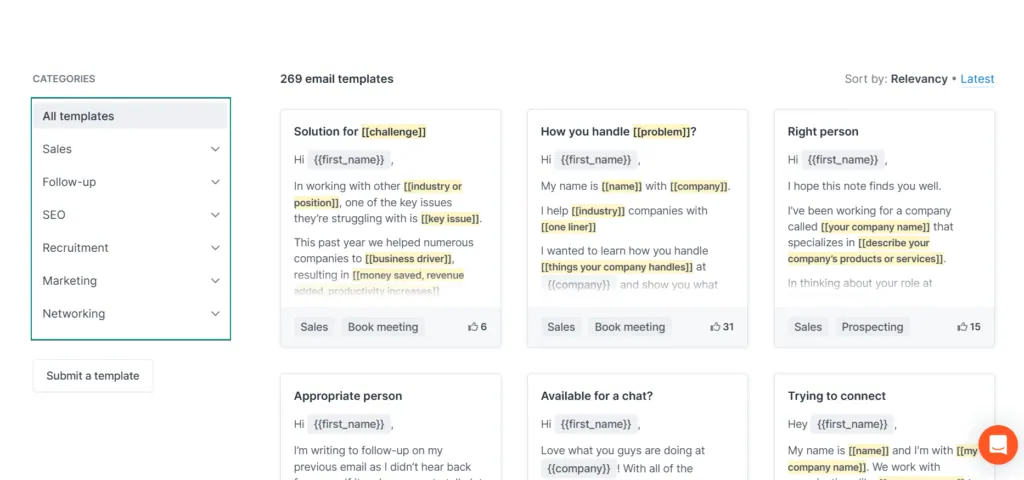
- Personalised connection requests: build on things you have in common and don't try to sell in the first message.
- Direct messages (InMail): similar in style to email but slightly more conversational.
- Engage with their content: relevant comments, likes and other interactions can help warm up the contact.
- Groups and communities: take part and contribute something useful.
3. Content that attracts prospects (inbound prospecting)
This (inbound) approach uses content so that prospects come to us.
- Educational content (blog posts, white papers, webinars): it solves the target's problems and includes CTAs ("Contact us for a free assessment"). A lead magnet such as an industry report is a good example.
- SEO and thought leadership: articles optimised for key searches bring in qualified traffic over time.
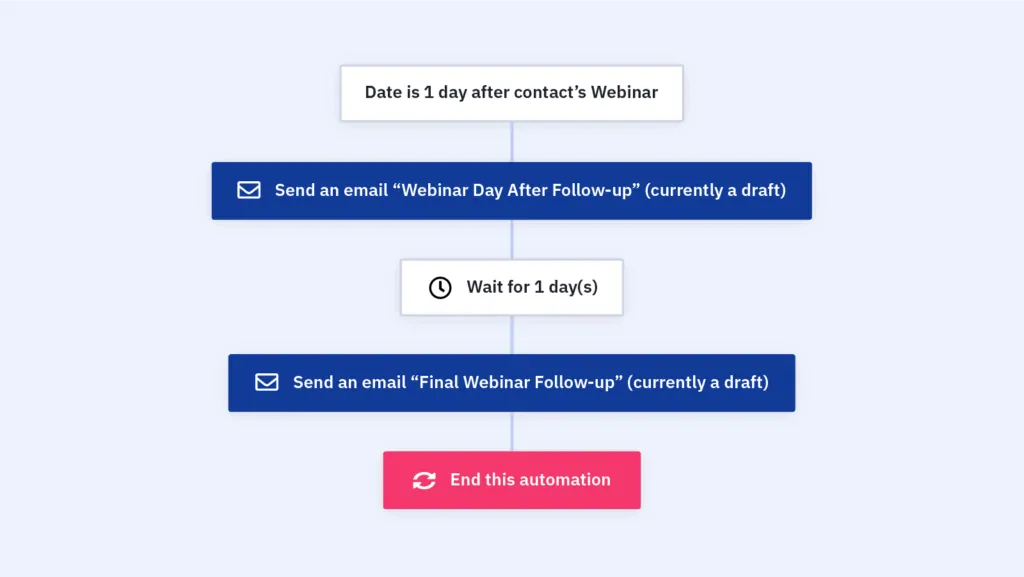
- Webinars and events: people who sign up are showing interest; after the event you have a list of "warm" contacts.
- Free tools and trials: a free tool or a 14-day trial brings in "self-qualified" prospects you can nurture with follow-up communications.
4. Use referrals and your network
Word of mouth and networking are still hard to beat. In general, referral leads close at much higher rates than cold ones. Here are some tactics you can use.
- Ask satisfied customers for referrals: "Do you know anyone else who could benefit from...?"
- Networking events and groups: build relationships and don't make the mistake of trying to sell straight away.
- Partnerships: consider working with companies complementary to yours for a mutual exchange of leads.
- Internal networks and affiliations: internal referral schemes that offer incentives to employees.
5. Account-Based Marketing (ABM) and targeted outreach
With ABM (account-based marketing), individual targets (accounts) receive dedicated activity. This approach takes more resources and effort, so it works best on key (high-value) prospects.
Here are some tips on putting it into practice.
- Group your target accounts: split them by potential value.
- In-depth research: build dossiers on decision makers and company initiatives.
- Personalised content: use dedicated presentations or landing pages ("How Company XY can improve X").
- Multichannel multi-touch: use several channels, such as personalised emails, LinkedIn, physical direct mail and targeted ads.
- Personal engagement: networking events, meetings at trade shows or exclusive round tables can all be ways to make direct contact.
- Sales and marketing alignment: align your sales and marketing teams so you can adapt the strategy more effectively.
6. Multichannel approach: combining methods
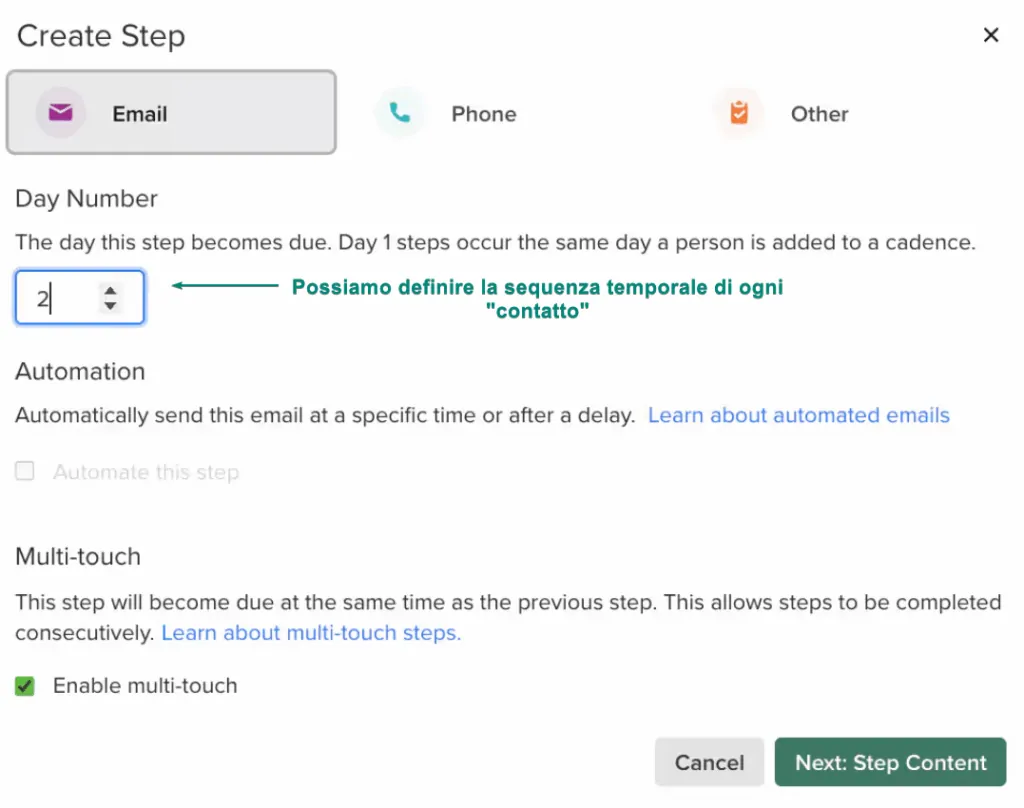
Every channel has its limits, so you need to plan the timing of the touchpoints you use to contact prospects.
Example contact cadence
- Day 1: personalised email.
- Day 3: LinkedIn connection request.
- Day 5: call referring to the email.
- Day 7: second email or LinkedIn message with new value.
- Day 10: second call.
- Day 14: final break-up email.

Using several channels and a structured sequence of messages increases the chance of a reply. Each message, though, should add value to the previous one.
A good rule to avoid overdoing it is not to exceed 5-7 touches over 2-3 weeks.
7. Automation and AI to improve prospecting
Automation and AI-powered tools can improve results considerably while cutting the time needed. Remember that the goal is better results, not sending more messages in less time (and ending up flagged as spam).
- CRM: Salesforce, HubSpot and Pipedrive. They track interactions, let you set reminders and integrate with other tools.
- Sales engagement platforms: Outreach, Salesloft and HubSpot Sales. They create automated contact sequences with dynamic personalisation.
- Lead intelligence and data tools: LinkedIn Sales Navigator, ZoomInfo, email finders (Hunter.io or Skrapp). They help us identify interested people.
- Using AI for personalisation: tools that draft emails and suggest effective hooks.
- Tracking key email metrics: opens and clicks, to guide your next moves.
- Scheduling tools: Calendly or Doodle to book meetings quickly without long email exchanges.

Tips to improve your prospecting
Now that we have covered practical techniques you can put in place straight away, here are a few more tips to keep in mind to get more out of your efforts.
Aim for personalised interactions
Name, company, specific details, a targeted value proposition: all of these are essential to get through to the people we are talking to.
If you use a multichannel strategy, remember to adapt the tone (and format) to the channel you are using.
Follow-ups deserve the same care, so personalise them too: "As I mentioned on our call on Friday...".
Timing matters
For cold calls above all, but also for emails, there are a few guidelines to follow (they are not universal, and you may need to adapt them to your case).
- Midweek days perform better (diaries are less full and attention is higher than on Mondays and Fridays).
- Time slots: 10-11am or 2-4pm, local time.
- Avoid the sector's peak periods (events, product launches, year-end accounts, etc.).
- Respect the prospect's requests ("let's speak again next quarter").
Build relationships, not just sales
- Be curious: ask questions and listen actively.
- Offer value: insights, trends or advice.
- No hard selling: use an approach that isn't aggressive.
- Note personal details in the CRM: children's graduations, hobbies and so on.
- Educate, don't just sell: aim to become a trusted adviser first.
Monitor and optimise results
- Contact volume: aim for a steady flow.
- Response and conversion rates: measure them and improve templates, target profile and channels.
- Pipeline: improve the flow from prospecting to sale.
- Qualitative feedback: look for recurring objections.
- Repeat and improve: you can A/B test email subject lines, call times or the channels you use.
B2B prospecting FAQs
A prospect is a potential customer who fits your ideal customer profile (ICP) but has not yet interacted with you. A lead is a prospect who has shown interest (replying to an outreach message, filling in a form, attending a webinar, etc.).
It depends. You might book a meeting within a few days or have to wait months. With consistent weekly outreach you should start getting replies within a few weeks, while closing the sale can take several more weeks or even months. With an inbound approach progress is slower, but it builds up over time.
Prospecting is usually handled by dedicated roles, SDRs (Sales Development Representatives) and BDRs (Business Development Representatives), who then pass leads to Account Executives. In a small company it will probably all sit with the account managers, or the founder may handle it personally. The marketing team, on the other hand, is mainly responsible for the whole inbound approach.
When choosing lead generation tools, pick ones that comply with UK GDPR. A named business contact is still personal data, so you need a lawful basis and must provide privacy information.
As well as LinkedIn Sales Navigator, Leadinfo and Hunter, you can use publicly available sources such as press releases or company websites. In other cases you can ask for contact details directly.
Under PECR you can email marketing to limited companies without prior consent, as long as you identify yourself and give a valid address to opt out; sole traders and partnerships need consent (or the soft opt-in). Before cold calling, screen numbers against the TPS and CTPS. If you target other markets, check their rules too (for example CAN-SPAM in the US).
Of course quantity counts. But quality is what really matters. 100 emails sent to a well-defined target with a personalised, relevant message work far better than 1,000 generic ones.
Visilay: your strategic partner for winning new clients
B2B prospecting takes strategy, consistency and a structured approach: from defining the ICP to building convincing value propositions and using automation.
To put these strategies into practice you need skills, the right tools and an experienced partner who has already faced similar challenges and can guide you through the complexity of B2B client acquisition.
This article has given you the groundwork for B2B prospecting, and at Visilay we can put these strategies to work straight away to bring you concrete results, through:
- A precisely defined target: we will work with you on your target, starting from the ICP and buyer personas, to create a targeted message for decision makers at the companies you want to reach.
- Advanced prospect qualification: starting from a market analysis, we will help you generate prospects that convert.
- Higher conversions: with targeted inbound and outbound strategies you will find decision makers and be found by them.
Contact us today to tell us about your project and take the first step towards a steady flow of qualified leads for your B2B business.
