
Looking for SEO tips for your blog? Search engine optimisation (SEO) can help your site rank higher and increase conversions. Your blog is one of the main drivers of SEO results. You need to spend time optimising it and make sure the content you publish ranks well and holds visitors' attention.
In this article we look at SEO best practice for blogs, to help you climb the search results. Here is a quick overview of what we will cover:
- How blogs affect SEO and rankings
- 10 SEO tips for blog content
- 5 examples of SEO-optimised blogs
Read on to find out more and start improving your blog's SEO.
How blogs affect SEO and rankings
A blog positions your site as a relevant source of information for search queries. The more useful, informative content you publish, the better your chances of ranking high on search engine results pages (SERPs).
Here are some other ways blogs affect SEO and rankings:
- Better click-through rate (CTR): as your rankings rise, more people find your pages and land on your site. Your CTR improves over time as people come across your blog naturally.
- A larger index: the index is the full list of your site's pages and how they link to each other. More pages (and more connections between them) show Google that your site is a relevant and authoritative source.
- More backlinks: backlinks are links from external sources pointing to your page. Google rewards websites with more backlinks, so one of your goals should be to write authoritative content that people want to link to and share.
10 SEO tips to optimise your blog content
Knowing how to do SEO for a blog is the first step. Here are 10 SEO tips to get you started:
- Create SEO personas
- Choose your keywords
- Add headings and lists
- Write evergreen content
- Use long-tail keywords
- Re-optimise outdated content
- Add optimised images and videos
- Link to relevant content on your site
- Optimise for featured snippets
- Write meta descriptions.
Let's go through them one by one.
1. Create SEO personas
The first step towards writing effective blog posts is knowing your audience. Creating personas helps you picture a reader and shape your content around their needs as you write.
So what is a persona? An SEO or buyer persona is a fictional profile of your company's typical customer, based on a range of market factors. The profile should take into account things like:
- Age
- Gender
- Job title
- Income
- Industry
- Education
If you sell beauty products, your SEO persona might be a 25-year-old woman with a university degree.
Audience research tools can help you define your target market more precisely and build reference profiles. Writing content aimed at that audience will help you increase sales and bring in more traffic.
2. Choose your keywords
Every page you write needs a target keyword. The term helps you structure the content. It also tells Google what your page is about and helps the algorithm surface it for relevant searches.
Say you are writing a page on this year's best makeup brands. If you do not pick a target keyword, Google will not immediately understand what the page covers, and it will not reach the top of the SERPs.
Your target keyword could be something like "best makeup brands", and you would use it naturally in the title, the headings and the body copy. This makes it easier for Google to categorise the page and pick it for users.
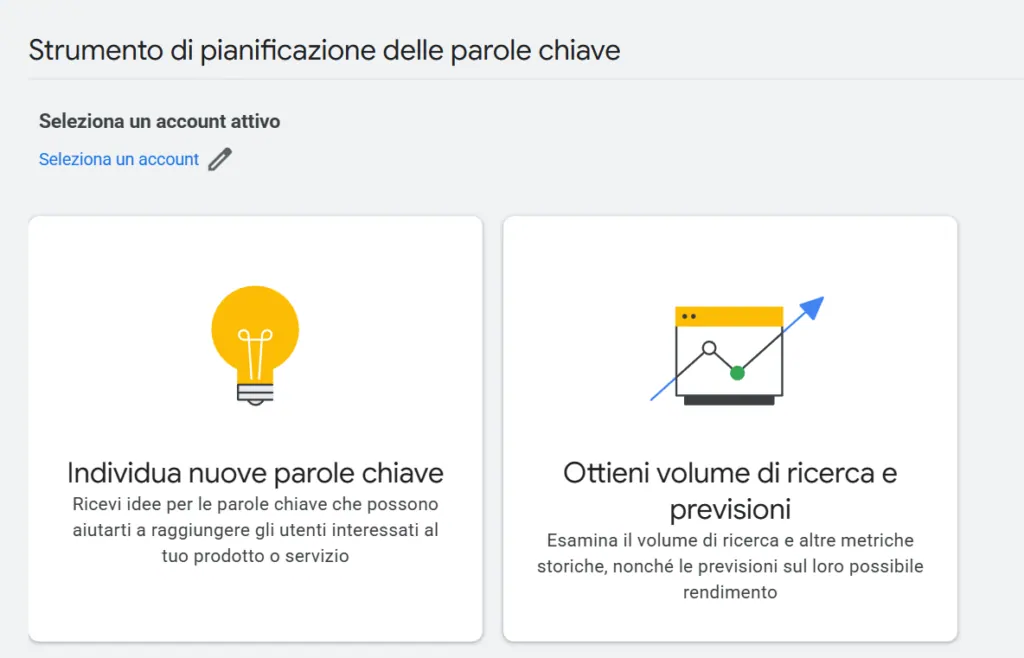
You can use keyword research tools such as Google Keyword Planner to find the best keywords for your blog, and blog idea generators to find interesting topics for posts.
3. Add headings and lists
You may want users to read every word you write, but they are more likely to skim. To help them find what they are looking for, use headings and lists.
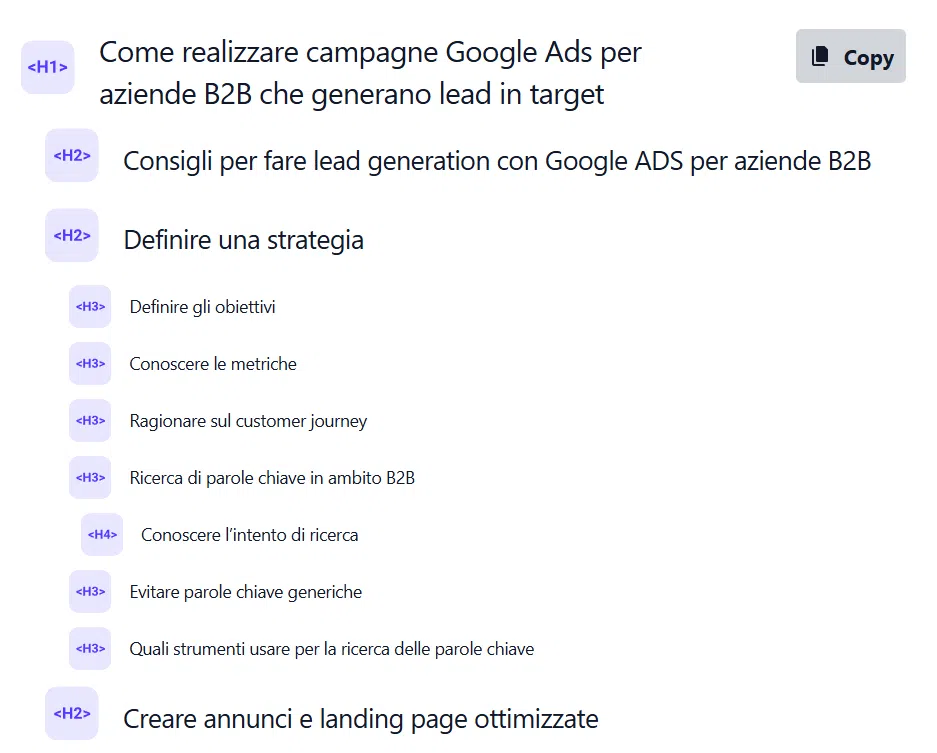
You could write several paragraphs on your topic covering benefits, uses and tips. Or you could split each section under its own heading and set out the benefits, uses and tips as bullet points with examples.
This step makes it much easier for users to get the information they want from your page.
4. Write evergreen content
Because constantly updating content takes a lot of work, you want posts to stay valid for as long as possible. That is where evergreen content comes in.
Evergreen content is SEO content that stays accurate and useful to readers over a long period. It helps you generate leads for longer and get the most out of every post.
Your images, wording and statistics should all hold up over time, whether you are writing an FAQ or a tutorial.
5. Use long-tail keywords
Long-tail keywords are phrases of 3-4 words with lower competition. Short-tail keywords help you tell Google and users what your page is about, while long-tail keywords bring in more qualified traffic because the terms are more specific.

Here are some examples of long-tail keywords you might use for a page:
- Divorce solicitor in [city]
- How to change a flat tyre tutorial
- Digital marketing services examples.
6. Update outdated content
A big part of content planning is making sure content stays valid over time. If you have outdated content on your site, you do not have to delete it: re-optimise it so it is as useful as a new post.
Re-optimising can help improve PageRank and increase traffic. Here are some steps for re-optimisation:
- Rewrite the meta description and title tags to earn clicks
- Add new images to make the content more engaging
- Add or change links to remove broken links, redirects and outdated information
- Review the SERPs and analyse search intent to better match what people are looking for
- Answer questions near the top of the page to improve the user experience (UX)
- Look at how long your blog post should be and settle on the right length for the content.
- Add headings and new sections where needed.
And do not forget to check for grammar mistakes. You might ask: " Does grammar matter in content marketing?". Yes. Correct grammar sends trust signals to your audience, so check your copy and fix any errors.
7. Add optimised images and videos
Blog content is more than text: images and videos are a core part of your posts. Images and videos improve the user experience and help rankings.

Place images where they fit the text and compress them so they load quickly. Embed your videos so users can play them directly in the post. Do not force images and videos in: add them only to clarify or reinforce a point.
8. Link to relevant content
Internal links are links that send users to another page on your site.

A solid internal linking structure helps users move from page to page and increases session duration. Internal links also help Google index your pages and understand how they relate to the rest of your site. Add internal links wherever they make sense.
Say you run a heavy machinery business or a car dealership. You could write a blog post on how to find the best tyres for your vehicle, link to the tyres you mention on your website and keep users on your site for longer.
9. Optimise for featured snippets
Featured snippets are highlighted boxes at the top of the SERPs. They usually answer a question directly on the results page, so users do not have to click through to find the answer.
Optimise your content for featured snippets to improve your chances of appearing in them. Use question keywords in your headings and give the answer straight away. Use lists where you can for queries about steps and examples.
Even if users do not click on your post, they will still see your name and know you are a reliable source of information.
10. Write meta descriptions
Meta descriptions are meta tags that appear in search results as a summary of roughly 160 characters describing the page. Optimising them is part of on-page SEO, one type of search engine optimisation.

A widespread SEO myth holds that meta descriptions do not matter because they are not a ranking factor. They are not, but they have a direct effect on click-through rates. If you leave one out, Google generates its own or shows the start of your article, and that may not work as well.
Add meta descriptions to your pages to tell users in your own words what the page is about and to include the keyword.
5 examples of SEO-optimised blogs
Now that you know some SEO best practice for blogs, let's look at a few SEO examples of how other companies apply these tips on their own websites. Below are five SEO-optimised blogs from different businesses you can take inspiration from:
- Anthropologie
- BarkBox
- Starbucks
- Etsy
- Salesforce
1. Anthropologie
First on our list is the Anthropologie blog, which covers fashion, design, lifestyle and related topics. It mirrors the relaxed, chic style of Anthropologie's products. The photos on the page catch the eye and invite you to click and read more.

The sidebar makes the page easy to navigate and encourages users to click through to their favourite topics and articles.

With an attractive design and intuitive navigation, this blog has the features Google wants to offer its users.
2. BarkBox
Next is BarkPost, the BarkBox blog. It covers a range of dog-related topics that tie back to the company's products and services. Some posts are about company news and product updates, others are purely informative for pet owners.
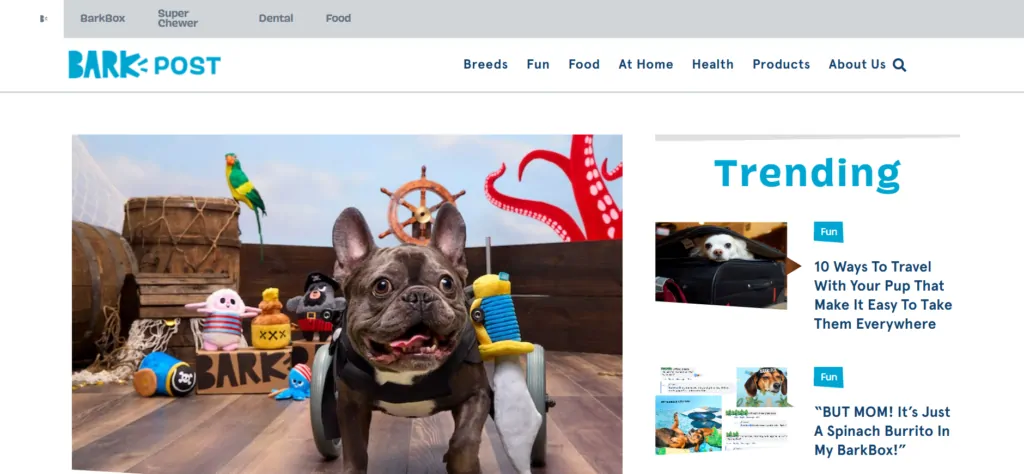
They use eye-catching images that put the topic front and centre.
They also use headings and easy-to-read list articles:

BarkPost shows how you can take a simple market and expand it across your blog, while making SEO choices that help users find your articles.
3. Starbucks
Starbucks Stories gives users a closer look at the company behind their coffee. The Starbucks blog is bright, fun and people-focused, like the rest of its marketing. It uses images and charts to show the company's impact and history, always tied back to the brand:

If you want a way to tell people more about your company, take a leaf out of Starbucks' book: it has learnt how to promote its own achievements.
4. Etsy
The Etsy blog is a good place to find gift ideas and shopping inspiration. It is optimised for SEO, with list articles, images and creative videos.
Getting keywords in is half the job when writing content. For well-executed keyword targeting, look at this example of titles and URLs:

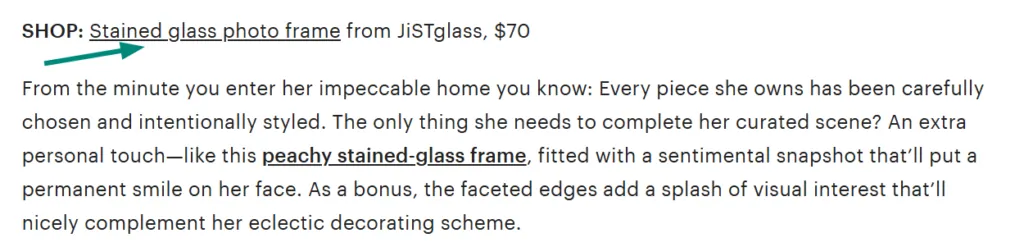
They also use simple, effective CTAs in their content, which create internal links and send users to relevant pages:
5. Salesforce
Salesforce runs a blog covering a wide range of topics across marketing, sales and advertising.

Besides being a major player with its software, Salesforce is also a key source of information for anyone who wants to learn more, other businesses included. The blog applies all the useful SEO steps too, such as headings, images and links to other posts.
Improve your blog's SEO performance
Optimising your blog for SEO is how it starts to bring in traffic and conversions. By applying the practices covered above, you can make your content more visible in search results and attract more readers.
Ready to improve your blog's SEO? The Visilay team can help you put these strategies into practice, optimise your content and improve your rankings. Get in touch to find out how we can help.
