
SEO and paid search account for 68% of website traffic, but should the two be used together?
Although both SEO and PPC, such as Google Ads campaigns, aim to attract search traffic, marketers often treat them as opposites. After all, SEO is organic, with no paid placement, while PPC means paying for a prominent position in the search results.
Yet the most complete digital marketing strategies integrate PPC and SEO. Not sure how? Read on for nine ways to bring SEO and PPC together in your digital strategy.
Key points
- SEO and PPC work best together, letting brands capture more search traffic, take up more of the results page and improve ROI.
- SEO builds long-term visibility, PPC produces quick results: combining the two balances immediate growth with steady growth over time.
- Several case studies show that integrating SEO and PPC increases conversions, visibility and revenue.
- Businesses can use PPC data to refine their SEO strategy, from testing ad copy to identifying high-performing keywords.
- Working with an agency that handles both SEO and PPC gives you joined-up campaigns, unified data and better marketing performance.
What is SEO?
SEO is a digital marketing strategy that involves optimising various elements of a website to improve its ranking on search engine results pages (SERPs). It covers several techniques, such as keyword research and targeting, improving page load speed and link building.
What is PPC?
PPC is a digital advertising strategy that places ads at the top (and bottom) of the SERPs and charges you for every click users make. Google Ads and Microsoft Ads are two of the most widely used PPC platforms.
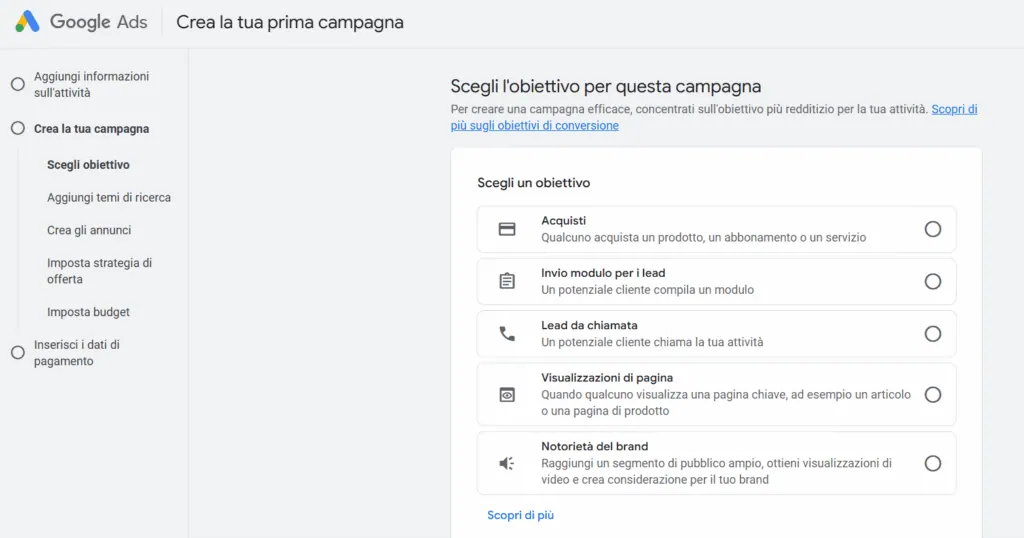
For more detail, see the latest Google Ads statistics, with data and trends on this form of advertising.

Can SEO and PPC work together?
Yes, SEO and PPC can work together. For example, you can combine your SEO strategy with PPC remarketing ads to encourage visitors to come back to your site and complete a purchase.
The example below shows the two strategies side by side: sponsored and organic results.
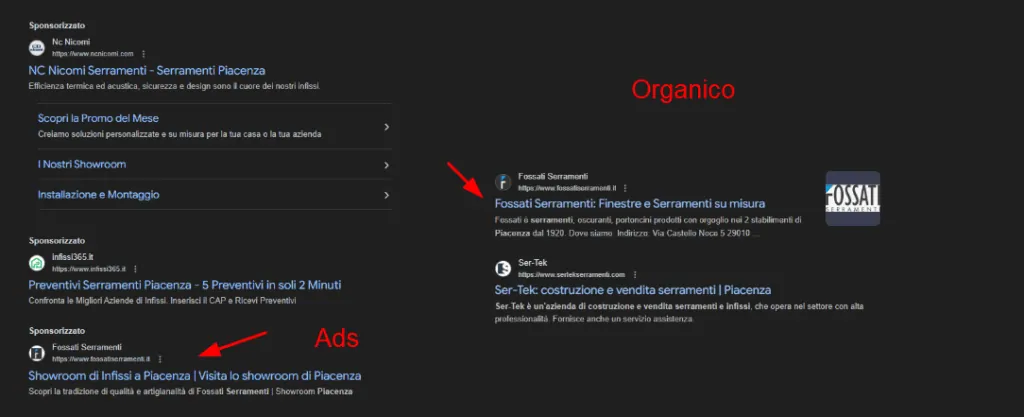
Integrating the two strategies can help your website take over the search results. An agency that handles both SEO and paid campaigns can help you integrate them effectively.
How do you integrate PPC and SEO?
It is one thing to hear that PPC and SEO work together in theory, but you are probably wondering how, exactly, to bring them into your strategy. Here are nine ways to make the two tactics run like a well-oiled machine:
1. Target more competitive keywords
Ranking organically for competitive keywords can take time, and good content may not be enough. The most competitive keywords may need a strong backlink profile, which takes time to build. In the meantime, you can appear for those searches by running ad campaigns.
The reverse is also true: while running PPC campaigns, you will probably come across competitive keywords that cost a lot per click. These keywords may be worth targeting in your SEO strategy, so you can spend your PPC budget more efficiently on cheaper keywords.
2. Build PPC audiences from organic traffic
The more data you can use to build your ad campaigns, the better. And SEO is a good way to grow traffic to your site at a lower cost.
If your site gets a fair amount of traffic, you can use platforms such as Google Analytics to build remarketing audiences for your PPC campaigns.
Depending on how much traffic you have, you can set up remarketing campaigns for each stage of the buying funnel, bringing organic visitors back at the different stages of the purchase process.
3. Collect more keyword performance data
A solid integration between SEO and PPC also gives you a clearer picture of which keywords work best for your business.
If an organic keyword converts well, it may be a good target for your paid campaigns. Conversely, paid keywords with a good conversion rate may deserve a long-term SEO strategy of their own.
4. Test ads to see what converts
As you probably know, SEO takes time to deliver results. PPC, on the other hand, can produce data and results quickly. Use that by running PPC tests and feeding the results into your SEO strategy.
For example, you can test ad copy, calls to action, landing pages and more in an ad campaign.
With this approach you do not have to wait for an organic page to reach the top of the results and start bringing in traffic. You collect data faster and use it to optimise your organic pages, so conversions come sooner.
5. Maximise your brand's visibility
Perhaps the most obvious way to use SEO and PPC together is to dominate the search results. For your most profitable keywords, you may want to appear both in a paid position and high up in the organic results.
This is particularly useful for branded keywords. You do not want to lose a potential customer because a competitor's ad shows in the paid results and yours does not.
6. Fill the gaps in your strategy
A solid integration between SEO and Google Ads also lets you react faster to changes in sales and lead volume.
SEO is a long-term strategy whose results can fluctuate over time. With PPC, you can quickly raise or lower your ad budget to make up for seasonal dips.
Need more leads this quarter? Increase your campaign budget. If you are swamped with sales right now, hold back part of your PPC budget for a period when you need it more.
7. Benefit from SEO-friendly web design
Many PPC landing page best practices also apply to SEO. For example, both SEO and PPC landing pages depend on:
- A good user experience
- Mobile optimisation
- Relevant content.
The landing page approach will probably not be identical for the two tactics (SEO pages, for instance, tend to carry more content), but knowing SEO best practice will help you strengthen the landing pages you use for Google Ads campaigns.
8. Integrate your data
To make SEO and PPC work together you need a complete data integration strategy. Unified data is what lets you make informed decisions across the whole strategy.
Plenty of tools make this easier. For example, you can link Google Search Console to Google Ads to combine organic search data with paid campaign data.
Google Analytics includes data from both Google Ads and organic search. If you want to bring in advertising data from other platforms, you can use UTM parameters.
9. Test new products or services
Since Google Ads campaigns produce results faster, you can use them to test new products or services. Many brands have used pay-per-click to run campaigns for products that did not exist yet, then measured sign-ups to decide whether the idea was worth pursuing.
Only after this test do the companies decide to invest in SEO while the product is being developed.
Depending on the development timeline, the SEO content created for the new product will probably already be ranking by launch day. On top of that, companies can push sales further on launch day with PPC ads.
How to use SEO and PPC together successfully
We have seen how SEO and PPC can work together to generate revenue. Here are a few tips for using the two strategies together successfully in your organisation:
- Define a strategy for using SEO and PPC
- Talk to your team members to keep campaigns aligned
- Share results to improve strategy and performance.
Maximise your ROI with PPC and SEO working together
SEO and PPC are both solid strategies on their own, but used together they can deliver a higher return on investment. Working with an agency experienced in both SEO and paid campaigns can help you get the most from your budget.
At Visilay we offer SEO services and Google Ads campaign management to help you take over the search results. Get in touch to find out more and get started.
In hospitality the split between the two channels is especially clear: SEO covers the brand and the Business Profile, Google Ads covers the price box in Google Hotels. We cover this in Google Ads for hotels and SEO for hotels.
Package holidays are a sector where the two channels carry very different weight: in the UK, tui.co.uk gets an estimated 10.8 million organic visits a month and buys around 4,200 through paid search (DataForSEO, Google UK, September 2026). We look at this in our guide to SEO for travel and tourism.
For a concrete example of how the two channels share the work in a seasonal sector, see Google Ads for tourism, where Search covers the departures on sale and SEO the destination pages.
For a concrete example of how the two channels divide the work on an online shop, with real traffic figures, see Google Ads for ecommerce.
For a professional practice, the sequence we recommend is Business Profile and website straight away, local Search campaigns for the first enquiries, and SEO on the service pages in the meantime. The paid side is covered in Google Ads for professionals.
